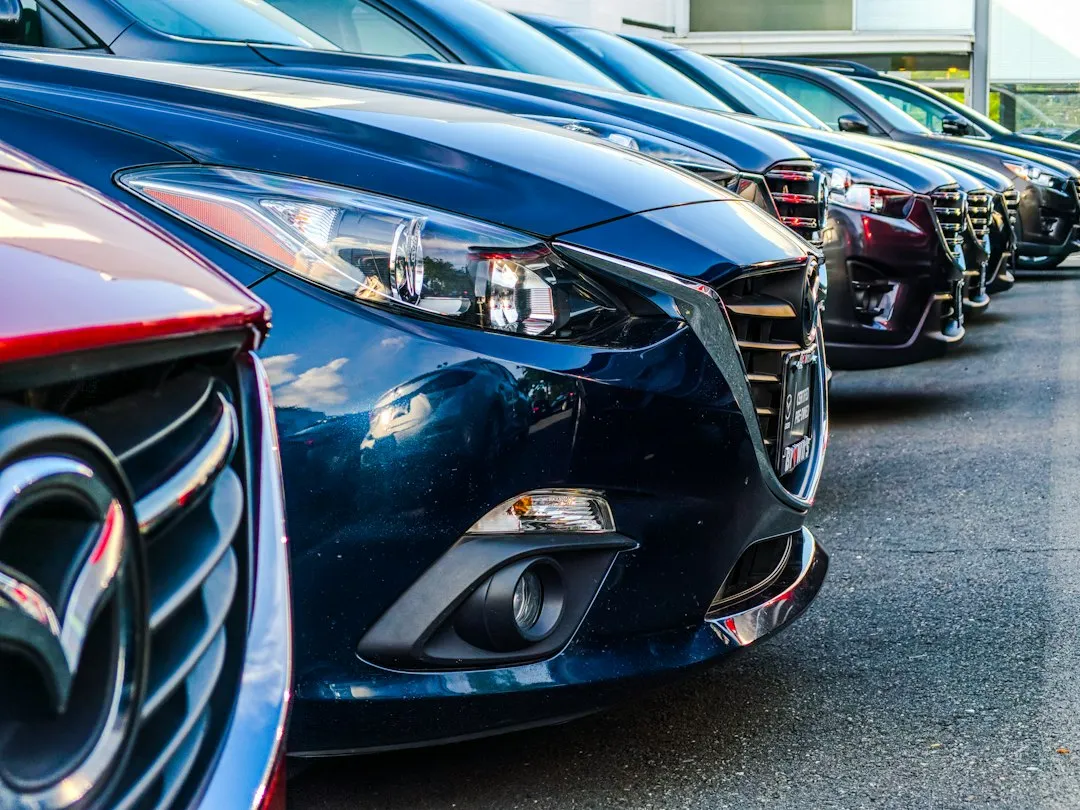
Check the CR book against the car's actual chassis and engine numbers, confirm there is no outstanding lease, verify the revenue licence and emission test are valid, then get a mechanic to inspect the car before you pay.
A low price means nothing if the paperwork is messy or the engine is hiding a problem. Before you hand over money for a used car in Sri Lanka, work through the checks below in order — paperwork first, then the physical vehicle.
Start with the documents, not the engine
Ask the seller to show you, in person, the originals of:
- The CR book (certificate of registration, also called the vehicle book)
- The current revenue licence
- The valid emission test (VET) certificate
- The insurance certificate
- The seller's NIC
If the seller can only produce photocopies or says the CR book is "with the finance company," slow down. You need to see the original CR book, and ideally hold it, before you agree to pay.
Check who actually owns the vehicle
In Sri Lanka, a vehicle bought on a lease or hire-purchase is legally owned by the finance company — the "absolute owner" — until the facility is fully settled, even though the buyer is listed as the registered owner and uses the car daily. If the CR book shows an absolute ownership entry in the name of a leasing or finance company (People's Leasing, LB Finance, Commercial Leasing, LOLC, Singer Finance, Vallibel, or similar), the seller cannot transfer the vehicle to you until that company issues a written release — a letter of settlement or no-objection letter. The Department of Motor Traffic (DMT) will not process the transfer without it.
Ask the seller directly: "Is this vehicle under lease, and is there an absolute ownership entry?" Get the answer in writing if you can, and don't pay the full amount until you've seen proof the facility is cleared.
Use the DMT's online vehicle information service
The DMT runs an Online Registered Vehicle Information Service where you can check a vehicle using its registration number and chassis number. Depending on what you enter, it can show you the current owner's name, whether there's an absolute ownership or mortgage entry, the engine number, vehicle class, make, model, year of manufacture, registration date, engine capacity, fuel type, and body type. This is a useful cross-check against what the seller tells you and what's printed in the CR book. Note that the chassis number itself is not published online for privacy reasons, so you'll need the seller to give you the vehicle's details first.
Match the numbers on the car to the numbers on paper
Fraud and "re-numbered" vehicles do happen. Physically check:
- The chassis number stamped on the vehicle body
- The engine number stamped on the engine block
Both must match exactly what's written in the CR book. If a number looks re-stamped, filed down, or doesn't match, walk away.
Confirm the revenue licence and emission test are valid
The revenue licence must be current, with no arrears. You can check its status through the eRevenue Licence Service. A valid Vehicle Emission Test (VET) certificate from an authorised centre, such as Laughs Eco Sri or DriveGreen, is required before a revenue licence can be issued or renewed for almost every motorised vehicle — new vehicles are exempt only for their first licence, and vintage vehicles from before 1975 are exempt entirely. Private vehicles need to retest roughly every 12 months. If the seller's emission certificate has lapsed, you'll need a fresh one before the revenue licence can be renewed in your name.
Check the insurance situation
Find out whether the current policy is comprehensive or third-party only, and when it expires. Insurance does not automatically transfer with the vehicle — you'll need to arrange your own policy, or have the insurer reissue the policy in your name, around the time of the sale. Don't drive the car away without valid insurance in place.
Inspect the vehicle itself
Once the paperwork checks out, go over the car physically:
- Body and paint — look for mismatched paint panels, ripples, or gaps that suggest accident repair
- Engine bay — check for oil leaks, unusual noise, smoke colour on startup, and signs of overheating
- Tyres and suspension — uneven tyre wear can point to alignment or suspension issues
- Interior and electronics — test the AC, power windows, lights, indicators, and infotainment
- Odometer vs service history — ask for service book stamps and compare the mileage trend; a reading that doesn't match the service history is a warning sign
- Underneath the car — check for rust, especially on vehicles that have seen flood water or coastal areas
Take it for a proper test drive
Drive it on both a quiet road and, if possible, a highway stretch. Listen for knocking, check the brakes at different speeds, and see how it handles bumps and corners. A seller who's reluctant to allow a real test drive is a bad sign.
Get an independent inspection if you're not confident
If you're not mechanically confident, pay a trusted independent mechanic — not one recommended only by the seller — to inspect the car before you commit. This usually costs far less than a bad decision would. You can also browse general buying advice and other listed vehicles on /vehicles and /safety-tips for more pointers, or ask specific questions about a particular model or seller in the Wahanaya forum.
Agree on price and financing before you pay
Once you're satisfied with the condition and paperwork, confirm the price is reasonable for the model, year, and condition on /price-check. If you're financing the purchase, work out what the monthly instalments would look like using the leasing calculator before you sign anything.
After you buy: transfer ownership promptly
Once you've paid, the transfer needs to be registered with the DMT. You'll typically need the CR book, the relevant MTA transfer forms, NIC copies of both parties, passport-size photos of the buyer (with one certified by a Justice of the Peace, Grama Niladhari, or similar officer), and proof of a valid revenue licence. As the buyer, you're expected to submit the transfer paperwork within 14 days of the purchase — leaving it later can attract an additional fee. Since document requirements and any taxes or fees can change, confirm the current list at your nearest DMT office or divisional secretariat before you go.
Quick checklist before you hand over any money
- [ ] Seen the original CR book, not a photocopy
- [ ] No unresolved absolute ownership or lease entry — or a release letter is in hand
- [ ] Chassis and engine numbers on the vehicle match the CR book
- [ ] Revenue licence is valid and has no arrears
- [ ] Emission test certificate is current
- [ ] Insurance status is known and a plan is in place for after the sale
- [ ] Test drive completed
- [ ] Independent mechanical inspection done, if you're unsure
- [ ] Price checked and financing worked out, if needed
If anything feels rushed or the seller avoids a question, pause. A genuine seller won't mind you taking the time to check. For model-specific advice or to ask other buyers about a particular seller or vehicle, post your question on the Wahanaya forum.
Sources